


How to Beat Essay Procrastination: A 7-Day Writing Plan for Students

Procrastination is rarely laziness. It is usually a size problem. The essay looks enormous, the next step looks enormous, so your brain sensibly chooses something else. The cure is not more willpower but a smaller unit of work. What follows is a seven-day plan that turns one terrifying deadline into a week of short, ordinary sessions. It assumes roughly two hours a day. If you have less time than that, compress the days rather than skipping them.
Three rules that make the week work
Start with the rules, because the plan collapses without them.
- Twenty minutes beats two hours you do not have. Open the document, set a timer and work until it rings. If you are still going when it rings, keep going. If you are not, stop without guilt and come back tomorrow.
- Leave a thread for tomorrow. End every session by writing one line at the bottom of the file: Next: find a source for the claim about local newspaper closures. Starting again takes seconds instead of twenty minutes of re-reading.
- Never draft and edit on the same day. They use different kinds of attention and they fight when forced to share a desk.
The temptation is to wait for a clear day when nothing else is happening. That day rarely arrives. Forty minutes of unglamorous progress is worth more than a heroic all-nighter, because the all-nighter produces pages you then have to repair.
Day 1–2: Interrogate the question, then build a skeleton
Most weak essays answer the wrong question well. Spend the whole first session working out what you are actually being asked. Take a question like this:
Discuss the claim that social media has weakened local communities.
Underline the command word. Discuss means you must weigh evidence on both sides and reach a position, not simply list arguments. Identify the subject, the limits and any hidden assumption. Then write the question out again in your own words, in one sentence. If you cannot do that, you do not understand it yet, and no amount of reading will rescue you.
Session two is for the skeleton. Write a working thesis in a single sentence, even if it is clumsy. Then write three or four section headings and one line under each explaining what that section must prove. Keep it deliberately thin. A skeleton is not a contract you have to obey; it is a route you are allowed to argue with as you go.
Day 3: Research with a shopping list
Fear of the library causes more delay than the writing ever does. Turn research into a shopping list by writing questions rather than topics. Social media is a topic, and it will swallow your afternoon. What evidence exists that the decline in local newspaper readership reduced turnout in local elections? is a question you can answer in forty minutes and then stop.
Take notes with page numbers and full source details as you read, not afterwards. Nothing wastes more time than hunting for a quotation you know exists somewhere. Stop when the list is full. Research is infinite; your essay is not. Two solid sources per major claim is usually plenty, and a third rarely changes the argument.
Day 4: Write the bad first draft
Today you are not writing the essay. You are producing raw material to edit later. Aim for volume, not quality. Do not stop to check a date, fix a comma or search for a more elegant word; leave a marker such as [check figure] and keep moving.
Start with the section you understand best, which is often not the introduction. Introductions are far easier to write once you know what you have argued. Write in plain sentences, keep your sources visible, and resist the urge to make any paragraph beautiful. A rough draft you can fix tomorrow is worth more than the flawless sentence still circling your head.
Day 5: Reshape the argument
Read the draft as a tired, slightly hostile examiner would. If a paragraph has more than one job, split it. If a strong counter-argument appears on page four, consider moving it earlier so your conclusion has something to answer. A short triage helps:
- Write your thesis on a sticky note and stick it beside the screen.
- Number each paragraph and jot its job in three words next to it.
- Reorder the numbers until the argument builds rather than repeats.
- Cut anything that does not serve the question, including the paragraph you like best.
Add linking sentences between sections so the reader never has to guess why they have moved from one idea to the next.
Days 6 and 7: Edit, proofread, submit
Editing is where marks are quietly won. Read the whole essay aloud, ideally standing up; your ear catches clumsy phrasing that your eye skips. Shorten long sentences. Replace abstract nouns with people doing things. Check that every claim has a source, every quotation is accurate and your referencing is consistent throughout.
Then proofread separately, on paper if you can. Check names, dates, numbers and citation formats. Read the final paragraph alongside the introduction and ask whether they agree with each other. Submit the file while you still have time to fix a corrupted upload.
If you fall behind
Compress the plan rather than abandoning it. Research and drafting can share an evening; editing and proofreading can share a morning. What you must not skip is the read-aloud pass, because that is where the errors live.
Making the plan stick
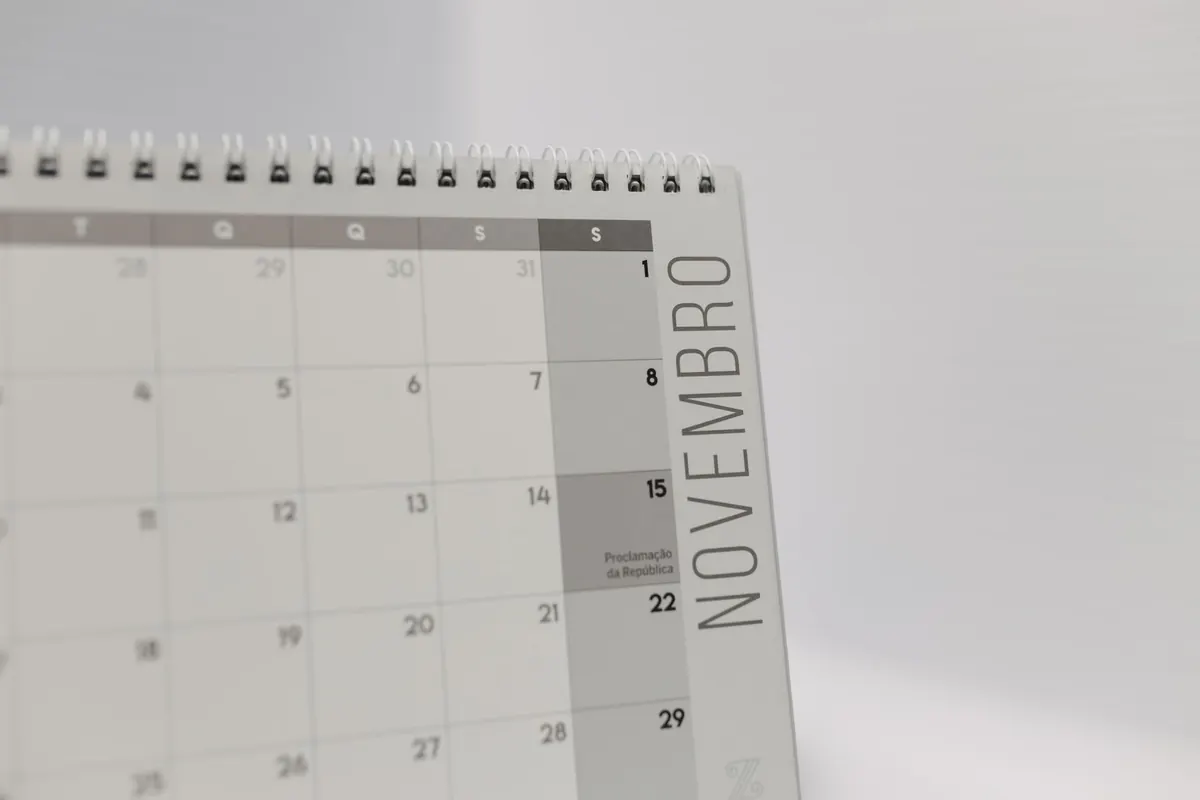
Write the seven days into your calendar as appointments, with the deadline for each one a day earlier than it needs to be. Tell someone what you intend to finish and when, and let them ask you about it. If you miss a day, do not redesign the plan; simply do the missed session next and shift everything along. And when the essay is submitted, note which day was hardest. That is the day to protect first next time.
Photo: photoGraph / Pexels