

The Realities of iGaming: Casino, Betting, Slots & Poker
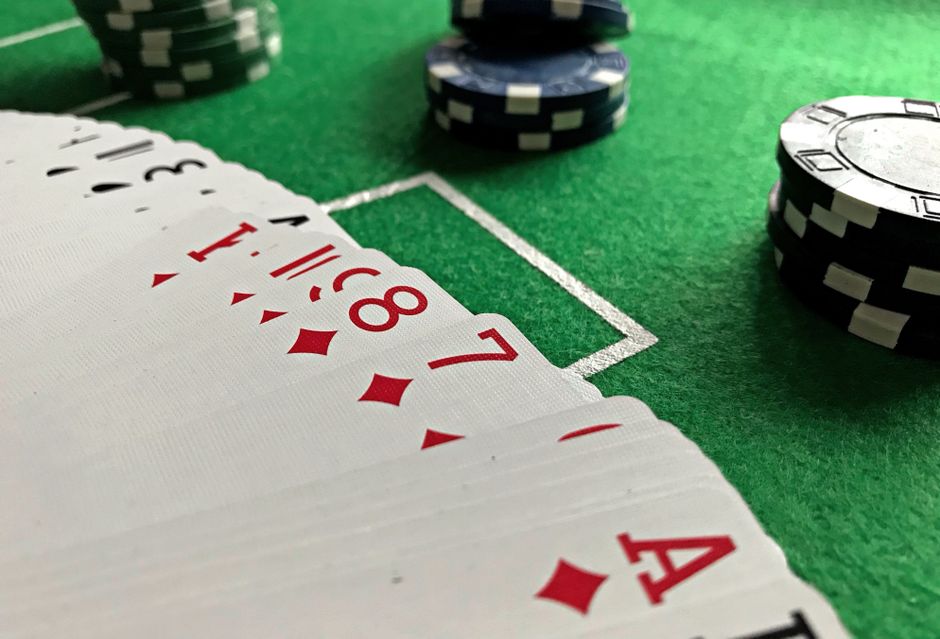
You've seen the flashy ads: a smiling twenty-something wins a massive jackpot on a slot machine, or a poker pro turns a $10 buy-in into a six-figure score. It's easy to get swept up in the hype. But behind the neon lights and the slick mobile apps lies a complex, often misunderstood industry. iGaming isn't just about luck; it's a collision of mathematics, psychology, technology, and regulation. Whether you're a casual punter, a poker enthusiast, or just curious about how this world works, let's cut through the noise. Here's what you actually need to know before you place your next bet or spin the reels.
The Engine Room: How Casino Games Really Work
Walk into any online casino, and you're stepping into a finely tuned ecosystem. The first thing to understand is the house edge. It's the mathematical advantage the casino holds on every bet. It's not a conspiracy; it's how they keep the lights on. For example, European roulette has a house edge of 2.7%, while American roulette (with its extra double-zero) jumps to 5.26%. That difference might seem small, but over hundreds of spins, it's massive. Readers looking for specifics may like slot depo 5k.
Slots are a different beast entirely. They don't have a fixed house edge like table games; instead, they have Return to Player (RTP) percentages. A slot with a 96% RTP means that, theoretically, for every $100 wagered, $96 is returned to players over the long run. But here's the catch: that 4% margin is the casino's profit, and the RTP is calculated over millions of spins. In a single session, you could hit a 1000x multiplier or lose your entire bankroll in ten minutes. The volatility (or variance) of a slot determines how wild that ride is. High-volatility slots like Bonanza pay out less frequently but offer huge potential; low-volatility slots like Starburst pay smaller amounts more often.
So why do players keep coming back? It's not just about the money. The near-miss effect—when a slot shows two out of three jackpot symbols—triggers the same dopamine response as a win. That's not an accident; it's game design. Understanding this psychology is your first line of defense against chasing losses.
Sports Betting: Beyond the Coin Flip
Sports betting has exploded in recent years, especially in the US post-PASPA. But throwing money on your favorite team because you 'have a feeling' is a quick way to the poorhouse. The sharp bettors treat it like a stock market. They analyze closing lines, injury reports, weather conditions, and even referee tendencies. They look for value—when the implied probability of an outcome is lower than the actual probability.
Let's break down a simple example. If the Chiefs are -150 to beat the Raiders (implied probability 60%), but you've crunched the numbers and believe they actually have a 65% chance of winning, that's a value bet. It doesn't guarantee a win, but over 100 bets, it's profitable. The key is bankroll management. Never bet more than 1-2% of your total bankroll on a single game. This protects you from the inevitable losing streaks.
Also, be aware of the different bet types. Moneyline, spread, over/under, prop bets—each has its own risk profile. Prop bets (like 'Will the first touchdown be a passing TD?') often have higher house edges because they're harder to predict. Stick to the main markets if you're starting out.
Poker: The Skill Game in a Casino World
Unlike slots or roulette, poker is a game of skill. The house doesn't play against you; it takes a rake from each pot. That means your profit comes from other players, not the casino. This fundamental difference makes poker a lifelong pursuit for many.
If you're new to poker, start with Texas Hold'em. It's the most popular variant, and the strategy is well-documented. The core concepts you must master include:
- Position: Acting last gives you more information and leverage. The button is the best seat at the table.
- Pot odds: If it costs $10 to call a $50 pot, you're getting 5:1 odds. You need to win more than 16.7% of the time to break even.
- Range analysis: Don't put your opponent on a single hand; put them on a range of hands. Then narrow it down with each action.
- Bankroll management: Never buy into a cash game with more than 5% of your bankroll. For tournaments, keep it to 1-2% per buy-in.
The biggest mistake amateur players make is playing too many hands. In a full-ring game, you should only play about 20-25% of starting hands. Tight is right. And for heaven's sake, don't slow-play aces pre-flop. You'll just let a random hand crack them.
The Rise of Mobile and Live Dealer Games
iGaming is no longer confined to a desktop. Over 60% of online gambling revenue now comes from mobile devices. The convenience is undeniable: you can play a quick slot session on your commute or bet on a soccer match from the stadium. But mobile also makes it easier to lose track of time and money. Set deposit limits before you start.
Another major shift is live dealer games. These stream real dealers from studios in Malta, Latvia, or the Philippines, and you interact via chat. It bridges the gap between land-based and online casinos. The experience is immersive, but the house edge is often higher than RNG-based games because of the human element. For example, live blackjack might have a 0.5% house edge, while a digital version can be 0.3%.
Regulation, Safety, and Avoiding the Scams
Not all online casinos are created equal. The reputable ones are licensed by bodies like the UK Gambling Commission, the Malta Gaming Authority, or the New Jersey Division of Gaming Enforcement. These regulators enforce strict rules on fairness, player protection, and anti-money laundering. If a casino is licensed in Curacao or Costa Rica, be cautious—those jurisdictions have weaker oversight.
Before you deposit a single dollar, check for:
- eCOGRA or iTech Labs certification: This proves the games are tested for randomness.
- Clear terms and conditions: Especially bonus wagering requirements. A 100% match bonus with 40x wagering is much worse than a 50% match with 20x.
- Responsible gambling tools: Deposit limits, self-exclusion, and time-out options should be easy to find.
- Payment security: Look for SSL encryption and trusted payment processors like Visa, Mastercard, or PayPal.
If a casino promises you 'guaranteed wins' or asks you to pay a fee to withdraw, run. That's a scam.
The Bottom Line: Play Smart, Not Hard
iGaming is entertainment, not a retirement plan. The math always favors the house in casino games and sports betting; your only edge comes from skill in poker or exploiting soft lines in betting markets. Treat every session as the cost of a night out, and never chase losses. The moment you start playing with money you can't afford to lose, the fun stops and the problems begin. Set a budget, stick to it, and walk away when you hit your limit—or better yet, when you hit a win. The best players aren't the ones who win the most; they're the ones who know when to stop.